Last updated on
Have you ever heard a strange noise coming from your HVAC system and thought, “I’ll just fix it myself and save a service call”? For many homeowners, that thought leads to frustration, higher costs, and sometimes even safety hazards. HVAC systems are far more complex than they appear, and what seems like a quick repair can turn into an expensive problem. In this blog, we will share why handling these repairs yourself is riskier than you might think.
What's Inside
Safety Risks You Can’t Ignore
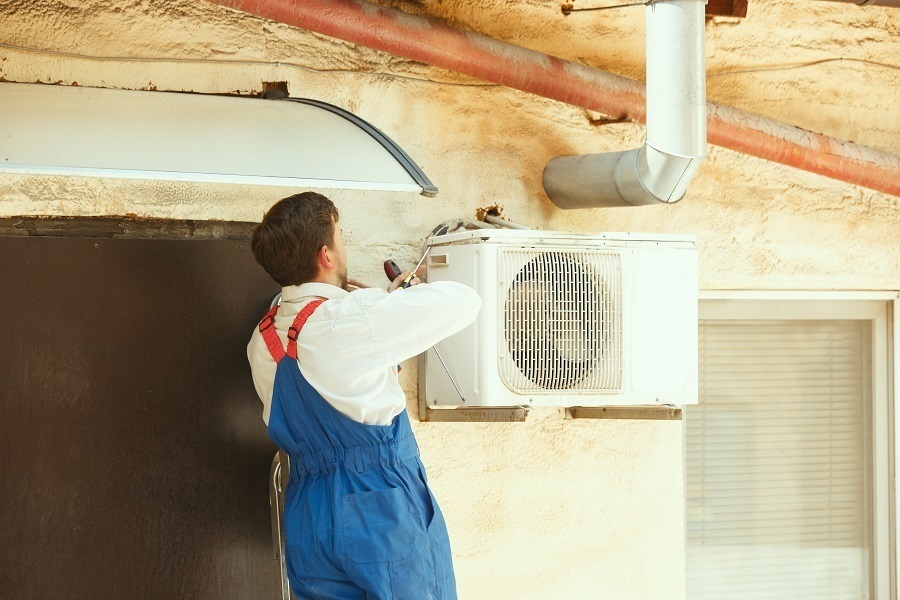
HVAC systems run on high-voltage electricity and use pressurized refrigerants. Without the proper tools and training, working on them can cause injury or damage to your home. Refrigerants must be handled according to strict environmental regulations, and accidental exposure can be harmful. Electrical mistakes can cause shocks, short circuits, or even fires.
Technicians are licensed to work safely with these systems. They have the equipment to test circuits, handle refrigerants, and secure connections, all while meeting safety standards that protect you and your property.
The Warranty Problem
Most HVAC manufacturers require professional installation and servicing to keep warranties valid. Attempting your own repair could void coverage, leaving you responsible for the full cost of any future breakdowns. Even if your repair seems successful, the loss of warranty protection can turn an affordable fix into a financial burden down the road.
Misunderstanding How Modern Systems Work
Today’s HVAC systems are engineered for performance, efficiency, and comfort, but that comes with added complexity. They use advanced technology, precise calibration, and specialized components that require expert knowledge to handle correctly. Units built with energy efficient air conditioners in mind often include variable-speed motors, high-tech refrigerant systems, and programmable controls. While these upgrades help lower utility bills and reduce environmental impact, they also mean that even a small mistake—like mishandling wiring or improperly installing a part—can throw off the entire system’s operation.
These units aren’t simply plug-and-play machines; they require a trained eye to diagnose problems accurately. Misidentifying the issue could lead to unnecessary part replacements or overlooked underlying problems. Even if the system runs after a DIY repair, it may be working harder than it should, driving up energy use and shortening its lifespan. Professional technicians understand how to maintain efficiency without compromising the integrity of the unit, ensuring it continues to perform as designed.
When DIY Costs More Than a Service Call
DIY might feel like it saves money upfront, but it can lead to higher expenses later. An incorrect repair can cause system strain, leading to bigger and more costly breakdowns. In some cases, a simple part failure turns into a full system replacement because the initial problem wasn’t handled correctly.
HVAC professionals don’t just fix the immediate issue—they look for signs of wear, leaks, or efficiency losses that you might not notice. This proactive approach can save you money in the long term by preventing future breakdowns.
Why Professional Maintenance Matters
HVAC systems work best when maintained regularly. Professional servicing ensures parts are clean, components are in balance, and efficiency is optimized. Skipping this step or trying to handle it yourself often means small problems go unnoticed until they cause a major failure.
Regular tune-ups also help keep your system operating within manufacturer specifications, which protects your investment and helps avoid warranty disputes.
The Smarter Choice for Your Home
In the end, HVAC systems are too important—and too expensive—to risk with DIY repairs. They control the comfort and air quality in your home, and their performance impacts both your safety and your energy bills. Professional service ensures your system is repaired correctly, runs efficiently, and lasts longer.
When it comes to HVAC, the safest and most cost-effective decision is to leave repairs to trained professionals who can handle them properly from the start.
How DIY Repairs Can Impact Energy Bills
A poorly executed repair might seem harmless if your HVAC turns back on, but even small mistakes can cause the system to work harder than it should. When airflow is disrupted, refrigerant levels are off, or components are misaligned, the unit has to run longer to meet the temperature set on the thermostat. Over time, this extra strain can increase energy usage without you realizing it.
Rising energy costs are already a concern for many households, and the push toward sustainability has made efficiency a bigger focus than ever. An HVAC system that isn’t performing at peak efficiency not only costs more to run but also contributes more to your home’s carbon footprint. Professional technicians have the tools to ensure the system is balanced, sealed, and optimized, which protects both your budget and the environment.
The Risk of Hidden Damage
One of the biggest dangers in DIY HVAC repairs is the potential for damage that isn’t immediately visible. A repair might fix the immediate symptom but leave behind issues that gradually wear down the system. For example, using the wrong type of lubricant on moving parts or overtightening bolts can lead to premature wear.
Hidden problems often reveal themselves at the worst times—like during extreme weather when the system is under its heaviest load. At that point, the damage may be severe enough to require costly emergency repairs or even full replacement. Regular professional inspections are designed to catch these small but critical issues before they escalate.
How Modern Features Complicate Repairs
Smart thermostats, zoning systems, and variable-speed motors have transformed how HVAC systems operate. While these features offer greater comfort and control, they also require precise configuration to work correctly. Adjusting one part of the system without understanding how it communicates with others can cause malfunctions across the entire setup.
Technicians stay up to date with manufacturer training, which allows them to work on the latest models without disrupting their delicate balance. Attempting these repairs without the same training risks turning a minor fix into a major system failure.
The Environmental and Legal Angle
Refrigerants are a critical part of your HVAC system, and mishandling them has serious consequences. Some refrigerants can harm the environment if released, and their use is strictly regulated under environmental laws. Only licensed professionals can purchase and handle them legally.
Improper disposal or accidental release not only damages the environment but can also result in fines. Beyond legality, correct refrigerant handling ensures the system cools or heats efficiently. Even a small error in refrigerant charge can lead to poor performance and higher operating costs.
Protecting Your Investment
An HVAC system is one of the most expensive components in your home. Treating it as a long-term investment means protecting it with proper care. Professional servicing keeps it running at its designed efficiency, extends its lifespan, and ensures your warranty remains intact.
DIY repairs may feel satisfying in the moment, but they often undermine the reliability and value of your system. When you step back and look at the bigger picture, the safer, smarter choice is to trust the job to experts who can keep your home comfortable year-round without unnecessary risks.
Read More
 Your First Steps in an Older Home (What to Inspect and Maintain)
 Welcome the Warm Weather With Pool Opening Services
 Noise Reduction in Commercial Spaces: How Modern Transformers Improve Workplace Environment
 Understanding Which Wallpapers Are Best Wallpaper for Textured Walls
 The True Cost of Kitchen Renovations: How Hidden Plumbing Repairs Impact Your Budget