Last updated on
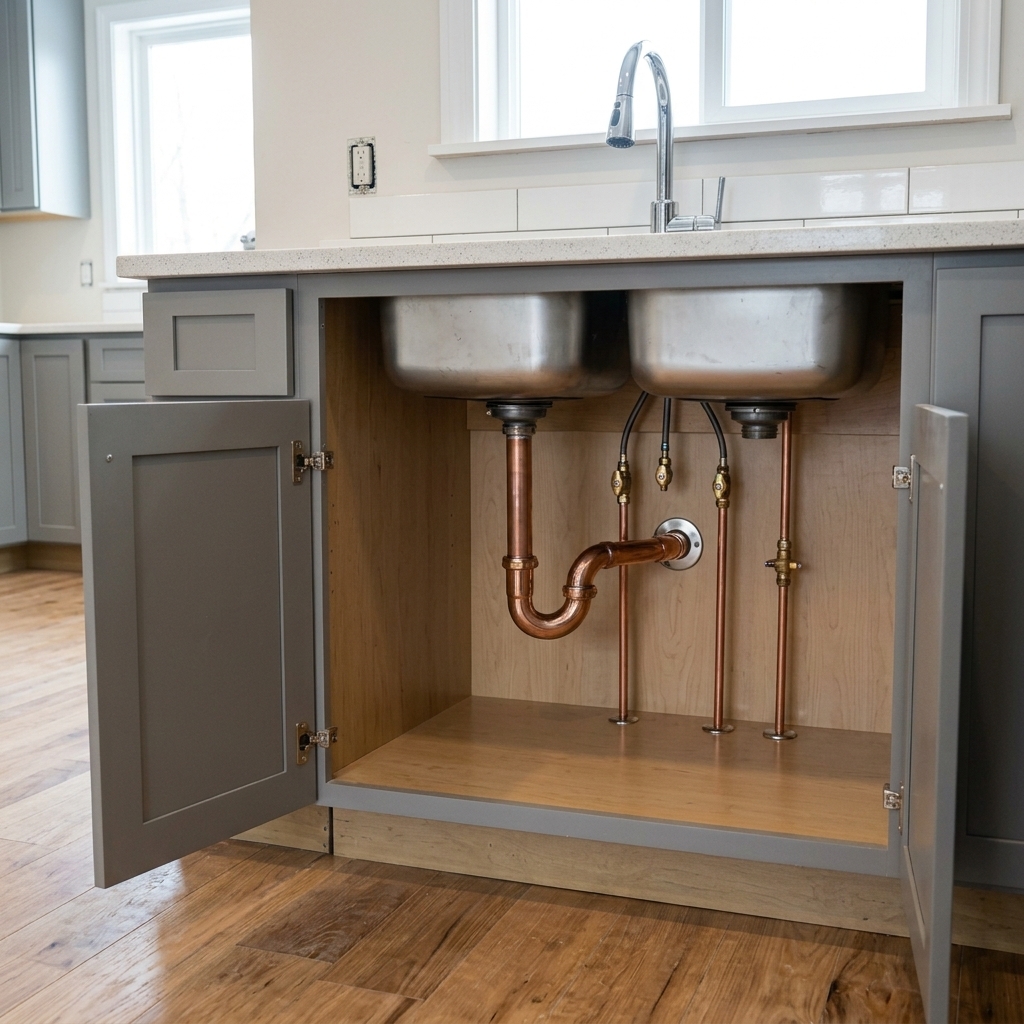
Kitchen renovations often begin with the fun things — cabinets, countertops, backsplash tile and lighting. However, one of the biggest budget mistakes homeowners make is focusing only on what they can see, while overlooking the plumbing system hidden behind the walls, under floors and beneath the sink
That hidden plumbing matters more than many renovators realize. Even a small leak, an aging pipe or a poorly maintained drain can lead to water damage, mold cleanup, emergency repairs and expensive changes during construction. All of these factors can push a renovation far beyond its original budget.
What's Inside
1. Hidden Leaks
A kitchen may look perfectly fine on the surface while hiding slow leaks around fittings, pipe joints or fixtures. The average household’s leaks result in over 9,300 gallons of water loss every year, and fixing easy-to-correct leaks can save about 10% on water bills.
This data is important because leaks can do more than waste water. Once demolition begins, contractors may uncover damp cabinetry, rotted framing or damaged drywall that now needs repair before installing the new kitchen. What started as a design upgrade can quickly become a restoration job.
2. Layout Changes
Many homeowners assume that shifting a sink a few feet or adding an island prep sink is a minor change. In reality, relocating plumbing often means rerouting supply lines, drain lines and sometimes vents. It increases labor and materials costs and the risk of opening more walls or flooring.
Kitchen plumbing for a remodel can cost more when layouts are more complex or when fixtures are moved. Features such as dishwashers, pot fillers or upgraded sinks can each add hundreds of dollars depending on installation conditions.
3. Moisture and Mold
Moisture problems are among the most expensive surprises in any remodel, as they often require immediate attention. Mold prevention starts with moisture management. Homeowners should fix plumbing leaks as soon as possible and dry wet areas within 24 to 48 hours to help prevent mold growth.
Even a slow, unnoticed leak under a sink can create damp conditions that favor mold growth. If a renovation exposes moldy drywall, damaged cabinetry or soaked materials, the project’s budget and timeline will change.
4. Drain Buildup
A renovation may leave homeowners with stunning finishes, but those upgrades will not solve underlying drainage problems. If the kitchen’s drain system is already slowing down due to buildup, poor maintenance or neglected wear, the new sink area may still experience clogs, odors or backups after the remodel is complete.
Renovation planning should include more than fixture selection. It should also include a realistic conversation about drain performance, pipe condition and any aging components for replacement. Spending a little more up front can help avoid paying twice later.
5. Grease Damage
One of the most common and avoidable kitchen plumbing problems begins when grease, fats and oils are poured down the drain. As they cool, these substances stick to pipe walls and create buildup that narrows the pipe’s channel and traps food debris. This can lead to blocked or damaged drain lines, causing clogs and overflows that can disrupt a home and even increase renovation costs if they occur mid-project.
Beyond a single household, this buildup is a larger issue. Local wastewater authorities warn that grease is a major contributor to clogs and overflows in the public sewer system, increasing maintenance costs for the community. To prevent these problems at home and in the wider system, homeowners should never pour grease down the drain. Proper disposal is essential for safe and efficient wastewater management.
6. Vent Issues
Many homeowner think only about water supply and drain lines, but plumbing venting also affects how well a kitchen sink drains. When vents are blocked, missing or poorly configured, homeowners may notice slow drainage, gurgling or recurring sink issues. They may seem minor until a remodel brings them into a sharper focus.
A kitchen renovation is often the best time to address those problems because access is easier while walls and cabinetry are open. Ignoring vent problems can make a kitchen function poorly behind the scenes.
Prevention Costs Less
A realistic kitchen renovation budget should include a contingency for hidden repairs, especially in older homes. It should also include preventive steps, such as checking for leaks, inspecting exposed plumbing and replacing worn fittings.
For homeowners and DIY renovators, that means thinking of the kitchen as a fully functioning system rather than a collection of surfaces. Beautiful cabinets and countertops matter, but so do dry walls, a healthy drain line and leak-free connections that protect the investment over time.
Budget Tips
Before starting a kitchen renovation, homeowners can reduce surprise costs by:
- Keeping the sink and dishwasher near existing plumbing lines when possible.
- Asking for a plumbing inspection before finalizing the renovation scope.
- Setting aside a contingency fund for hidden water damage or code-related updates.
- Checking under sinks and around fittings for moisture before demolition begins.
- Properly disposing of grease and consistently maintaining drains to reduce clog risk.
These simple steps can help homeowners prevent or catch plumbing issues before they turn into major renovation expenses. Planning also makes it easier to protect the project budget, avoid delays and ensure a functional kitchen.
Protecting Your Kitchen Investment
A successful kitchen renovation should do more than improve how a space looks — it should also protect that investment from the hidden problems that can quietly drive up costs. While cabinets, countertops and lighting may define the look of the room, the plumbing system determines how well the kitchen functions long after the finished remodel. Overlooking leaks, drain buildup, vent issues or aging pipes can turn a straightforward upgrade into a costly repair project.
By planning for plumbing inspections, preventive maintenance and a contingency budget, homeowners can avoid many of the most expensive surprises before the project even begins. The smartest renovation strategy ensures the systems behind the walls are as reliable as the design in plain sight.
Read More
 Are Smart Homes Actually Better for the Environment? The Benefits, Tradeoffs, and Hidden Costs of Connected Living
 Understanding Your Septic System: Complete Guide for Rural and Suburban Homes
 Why Annual AC Maintenance Matters: The Real Cost of Skipping Tuneups
 Foundation and Crawlspace Design: Preventing Moisture Damage and Pest Entry
 Your First Steps in an Older Home (What to Inspect and Maintain)