Last updated on
Have you ever had your air conditioner stop working on the hottest day of the year and thought, “How hard could it be to fix?” That question has led many homeowners into frustrating—and often expensive—situations. HVAC systems are complex, and even small missteps can cause bigger problems than the original issue. In this blog, we will share the most common mistakes people make when attempting HVAC repairs and why professional service is the smarter choice.
What's Inside
Skipping Safety Precautions
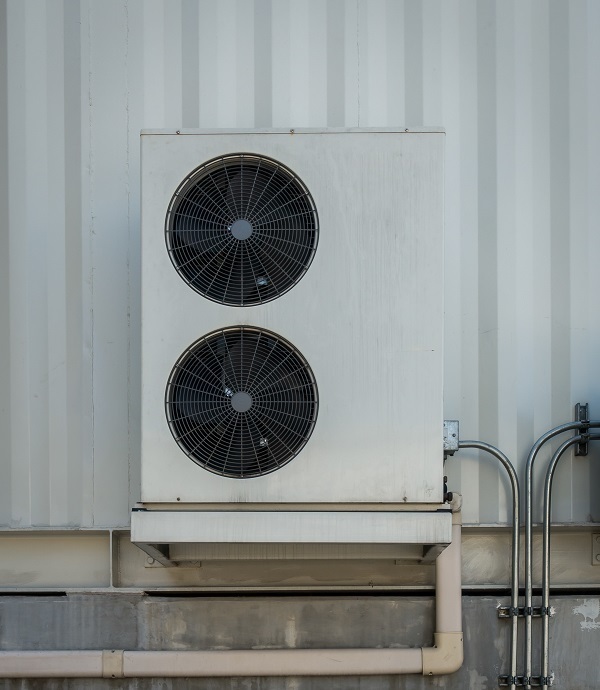
HVAC units involve high-voltage electrical components, pressurized refrigerants, and moving mechanical parts. Skipping safety steps can result in injury or property damage. Refrigerants, for instance, require careful handling to avoid harmful leaks and must be managed according to environmental regulations.
Many DIY attempts also overlook electrical hazards. A single wiring mistake can short out critical components or create fire risks. Professionals follow strict safety protocols and are licensed to handle these materials and systems, which protects both the homeowner and the equipment.
Misunderstanding the Problem
A major issue with DIY HVAC repair is misdiagnosis. Many symptoms can overlap, and what looks like a minor mechanical problem may have deeper electrical or refrigerant-related causes. For example, reduced cooling could be one of several common AC issues, from clogged filters to low refrigerant or a failing compressor. Without the right tools and expertise, homeowners often replace parts that aren’t actually the source of the problem, wasting time and money.
This is where trained technicians excel. They can pinpoint the root cause using diagnostic equipment and experience, ensuring the repair addresses the actual issue. Attempting guesswork fixes not only delays resolution but can also introduce new problems into the system. The result is often a call to a professional anyway—only now with a higher repair bill.
Using Incorrect or Low-Quality Parts
Homeowners often turn to generic replacement parts because they’re cheaper or easier to find. The problem is that HVAC systems are designed to work with components that match specific specifications. Installing an incompatible or low-quality part can reduce efficiency, strain the system, and shorten its lifespan.
A professional repair includes sourcing the right parts for the exact make and model, ensuring performance and reliability. While the upfront cost may be higher, it prevents long-term damage and repeat breakdowns.
Overlooking Regular Maintenance
Some homeowners wait until the system stops working before addressing any issues. HVAC systems require regular inspections and maintenance to operate efficiently and avoid costly repairs. Neglecting tasks like filter changes, coil cleaning, and checking refrigerant levels can lead to major malfunctions.
Professionals often spot small warning signs before they become emergencies. Scheduling regular maintenance keeps energy bills lower, extends the life of the equipment, and minimizes the risk of sudden failures during peak seasons.
Voiding Warranties
Many HVAC systems come with manufacturer warranties that cover certain repairs or replacements—provided the work is done by licensed professionals. Attempting your own repairs can void this coverage, leaving you responsible for the full cost if the system fails later.
Even if the DIY repair seems successful, you could unknowingly remove your eligibility for warranty support. Professional servicing ensures the warranty remains valid, giving you long-term protection for your investment.
Ignoring System Efficiency
A repair might get the system running again, but that doesn’t guarantee it’s operating at peak efficiency. Poor calibration, unbalanced airflow, or neglected duct issues can cause uneven heating or cooling, higher utility bills, and extra wear on components.
Professionals look beyond the immediate repair to assess overall performance. They can make adjustments that improve efficiency, saving you money and providing better comfort throughout your home.
How Modern HVAC Technology Raises the Stakes for DIY Repairs
Today’s HVAC systems are not the same machines many homeowners grew up with. Newer units are built with advanced electronics, variable-speed motors, integrated sensors, and smart controls that connect to home automation systems. While these innovations improve comfort and efficiency, they also make repairs far more complex.
In older systems, a mechanically inclined homeowner might have been able to replace a capacitor or clean a coil without much trouble. Modern equipment, however, is more sensitive to calibration errors, wiring mistakes, or incorrect part installation. A small oversight—such as misconfiguring a thermostat connection or damaging a sensor—can throw the entire system out of balance, causing energy waste, inconsistent temperatures, or complete shutdowns.
Smart HVAC units often come with built-in diagnostics, but interpreting those error codes correctly still requires professional training. Without that expertise, a DIYer might misread a warning and replace the wrong part, leading to even greater system strain.
Additionally, many high-efficiency models operate with refrigerants that require specialized handling. Improper management of these materials isn’t just unsafe—it’s illegal in many areas and can result in environmental fines. Manufacturers also tend to enforce strict service requirements for warranty coverage on advanced systems, meaning unlicensed repairs could void protection on a unit worth thousands of dollars.
In short, while technology has made HVAC systems better for homeowners in terms of performance and energy savings, it has also raised the risk and complexity of repairs. Without the right tools, training, and certifications, what starts as a quick fix can spiral into a costly and time-consuming problem.
Underestimating Long-Term Costs
DIY repairs can feel like a cost-saving measure in the moment, but mistakes often lead to more expensive repairs down the road. In some cases, a minor issue becomes a full system replacement because an untrained repair caused extensive damage.
Factoring in the cost of tools, parts, time, and potential follow-up work, hiring a qualified HVAC technician is often more economical than tackling the problem yourself. It also reduces the risk of being without heating or cooling when you need it most.
The Smarter Approach
HVAC repairs are rarely as straightforward as they seem. Between technical complexity, safety concerns, and the risk of long-term damage, DIY efforts can quickly become more trouble than they’re worth. Relying on trained professionals ensures accurate diagnosis, safe repairs, and a system that runs efficiently for years to come.
When you prioritize expert service, you’re not just paying for a repair—you’re investing in the longevity, performance, and safety of one of your home’s most important systems.
Read More
 Your First Steps in an Older Home (What to Inspect and Maintain)
 Welcome the Warm Weather With Pool Opening Services
 Noise Reduction in Commercial Spaces: How Modern Transformers Improve Workplace Environment
 Understanding Which Wallpapers Are Best Wallpaper for Textured Walls
 The True Cost of Kitchen Renovations: How Hidden Plumbing Repairs Impact Your Budget