Last updated on
No business wants to acknowledge that, one day, it will need to have work done on its plumbing and water pumps. When they do, it is best to have a foundational knowledge of how they work, what each type does, what specifications to look for and how to pick the best ones on the market. Following this guide will reveal everything companies need to get started.
What's Inside
The Basics of Commercial Building Water Pumps
Building owners might start their research by sifting through a water pump catalog, only to notice how many there are. Each serves a different purpose, which is why the top companies have an expansive selection. These are the primary types and their purpose:
- Sump pump: These pumps are most common in basements of residential buildings, where they take water from a collection area and divert it to prevent flooding.
- Grinder pumps: These are sewage pumps with blades to handle solid waste.
- Sewage pumps: All buildings rely on these subsurface pumps to transfer sewage, with some solids, to municipal sewer lines.
- Potable water pumps: Some areas need specialized pumps to provide drinkable water from sources such as wells.
- Utility pumps: Occasionally, a portable pump is needed to check equipment such as water heaters or to remove water from a flooded area.
- Condensate pumps: These remove condensation from equipment where it commonly accumulates, such as air conditioners.
- Effluent pumps: These remove water from septic tanks in a manner similar to sewage pumps, but focus on small solids and liquid waste.
The most common pumps for commercial applications are sump and sewage pumps, though grinder variants may be more applicable, depending on the industry. Additionally, many contractors and tradespeople also need to use utility pumps. Almost all businesses also use effluent pumps, especially in office buildings.
The Key Metrics Buyers Need to Know
Businesses can scour a long list of water pumps, but parsing the specs can be a task in itself. Of all the metrics, what are the ones to pay most attention to?
Flow rate is the most vital aspect of an effective water pump. This value explains how quickly the equipment can move water, typically in gallons per minute. Other fixtures can affect how well it functions, such as the width of the connecting piping or the openness of the drain.
Pressure is also important because it determines how efficiently water travels throughout the building. Some commercial structures span tens of thousands of square feet. Therefore, pumps need sufficient pressure to lift water from ground level to other parts of the building.
Finally, the pump itself needs to be durable and well-made. The materials need to be strong, made from elements like cast iron. However, the composition must also avoid contaminating the water. Sturdy housings, valves and seals are other key factors in preserving the pump’s longevity and performance in the long term.
The Methodology for Choosing the Top-Rated Water Pumps
Knowing the essentials is crucial, but determining which water pump will best meet the company’s needs is another story. This is the process for deciding what is needed for the application and understanding the criteria that make the best providers the most competitive in their industry.
Know How It Is Being Implemented
If a commercial building is known for frequent basement floods, a condensate pump is not needed. In a sector where solids in the water are a nonissue, a grinder could be unnecessary. Determine why the company needs a water pump and identify the intended outcome. This logical thinking will make the investment more objective-focused.
Measure Flow Rates and Head
Perhaps a restaurant struggles with water moving around the building quickly enough, or it comes out of faucets at such low pressure that employees cannot power-wash dishes. Managers can run tests to see how these metrics are performing and compare them with what is on the market to find something that far exceeds them.
Read Reviews
Stakeholders need to know if they are making a sound investment, especially for a water pump that should last a long time. Consider feedback from similar businesses to see if they speak on the characteristics of the best products, including:
- Durability
- Ease of installation
- Industry compliance
- Simple maintenance
- User-friendly controls and safety measures
The Best Water Pumps for Commercial Buildings
If business owners need a place to start, these providers have compiled a diverse array of high-performing, well-manufactured products to handle the job.
1. Zoeller Pump Co.
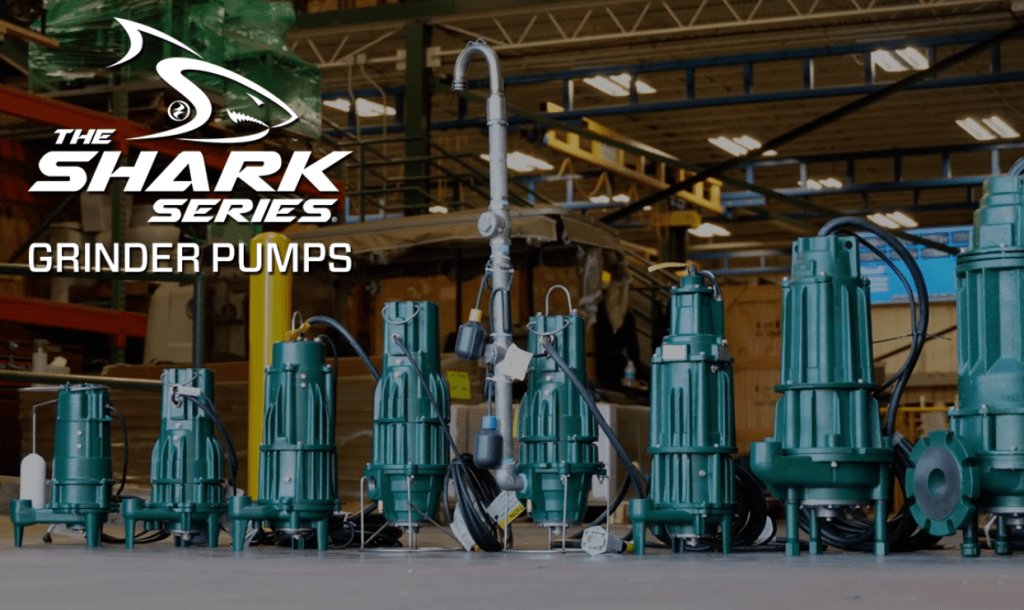
Zoeller Pump Co. is a family-owned business founded in 1939, demonstrating persistence and industry experience. Its team specializes in commercial sump, sewage and grinder pumps, including preassembled systems for ease of use. Its equipment offers some of the best warranties, while providing peripherals that make water pumps even better, including alarm systems. Its products are also sustainable, using energy efficiently while delivering high flow rates in a durable package.
2. Grundfos
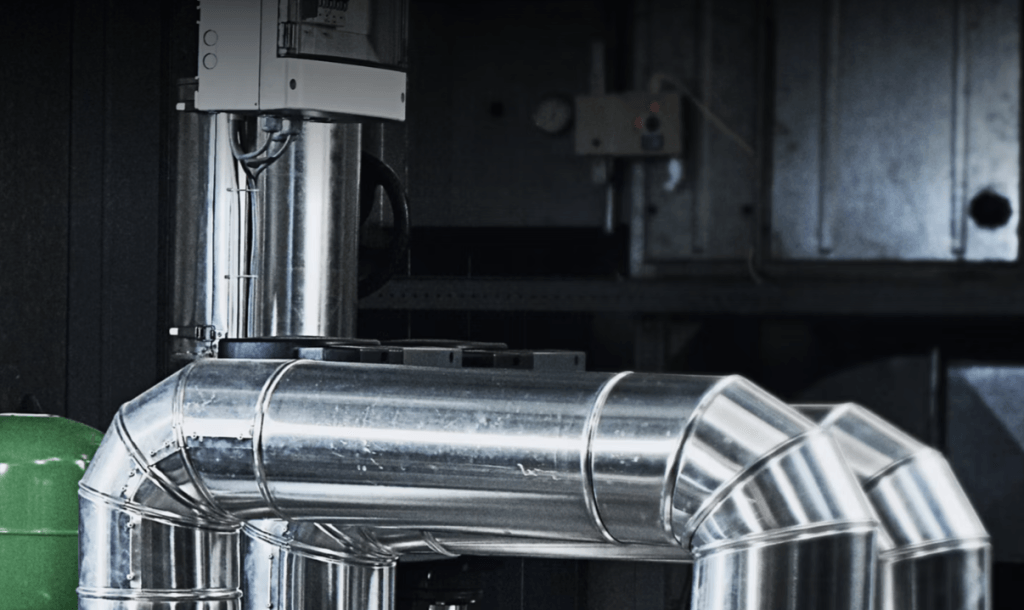
Grundfos is based in Denmark but has an international presence. It is known for making water pump systems that embrace the future. The company is highly dedicated to research and development, making it one of the most likely pioneers of up-and-coming tech. The products use smart technology to optimize how the equipment operates as it learns the building.
3. Wilo
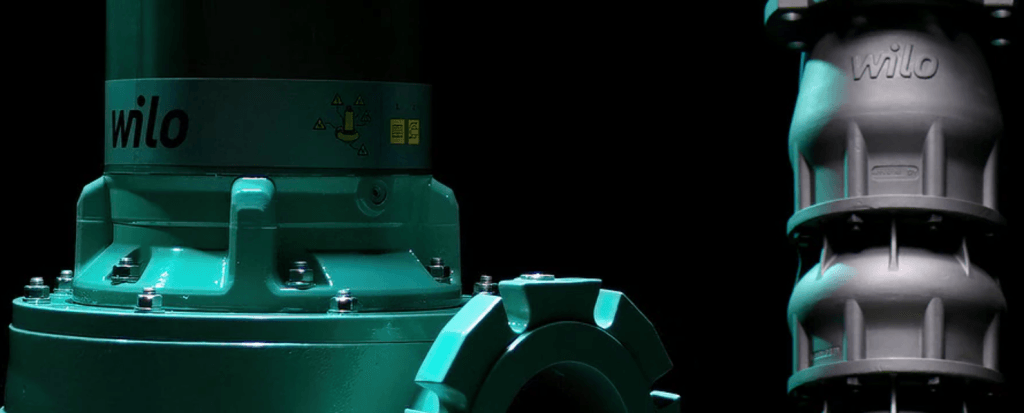
Wilo has been in Germany for over a century, focusing on industrial and commercial water pump systems. Despite how long it has been around, it still considers the potential of modern tech in the sector. Its digital pump management system is one of the company’s highlights, enhancing oversight for clients. This includes remote monitoring and energy settings to ensure every sewage pump operates well at all times.
4. Ebara
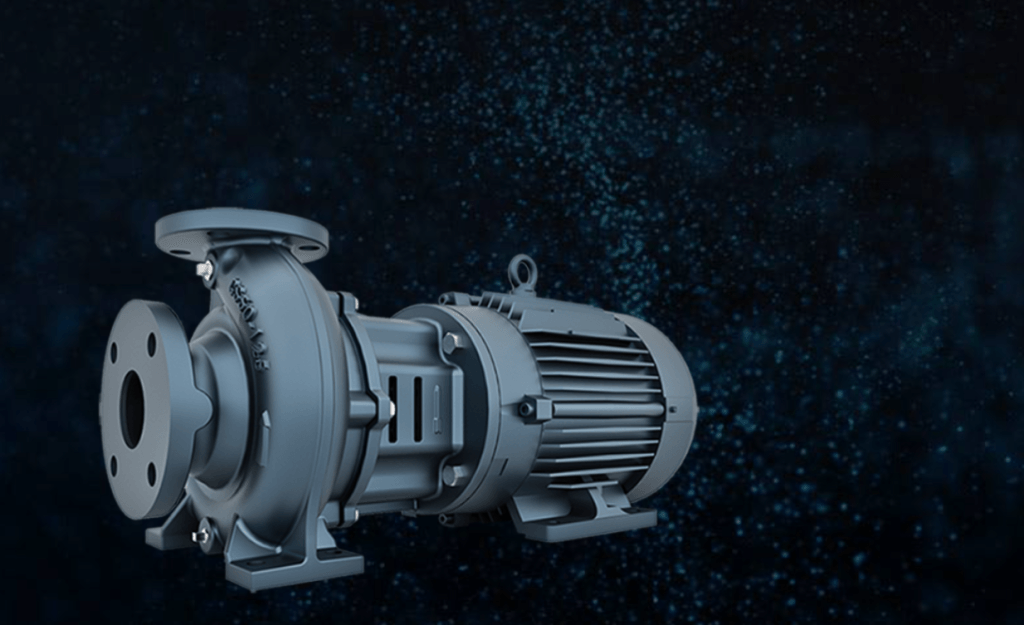
Ebara has a reputation for being one of the most reliable organizations of its kind, providing water pumps and other products for commercial, municipal and industrial companies for years. While other businesses make products with energy efficiency in mind, Ebara is the best in this regard. It helps clients save money while owning a long-lasting product built for heavy use.
Comparative Analysis
Here is how each company compares, based on its offerings, location and years in the sector.
| Company | Established | Origin | Standout Feature |
| Zoeller Pump Co. | 1939 | Kentucky, U.S. | Durability |
| Grundfos | 1945 | Denmark (Global) | Innovation focus |
| Wilo | 1872 | Germany (Global) | Smart management |
| Ebara | 1912 | Japan (Global) | Sustainable solutions |
Anticipating the Pressure
Whether someone is a new or seasoned business owner, they may not anticipate having to finagle an office building’s water infrastructure or needing to learn how to communicate with water contractors. It is important to know the basics before undertaking these projects, regardless of the size of the company or building. Connecting with one of these options will get organizations started, reinforcing them with better and more efficient utility infrastructure.
Read More
 Your First Steps in an Older Home (What to Inspect and Maintain)
 Welcome the Warm Weather With Pool Opening Services
 Noise Reduction in Commercial Spaces: How Modern Transformers Improve Workplace Environment
 Understanding Which Wallpapers Are Best Wallpaper for Textured Walls
 The True Cost of Kitchen Renovations: How Hidden Plumbing Repairs Impact Your Budget