Last updated on
Beneath every reliable home, the foundation and crawlspace work quietly to manage moisture, support airflow and protect structural integrity. With the right design choices and preventive care, these below-ground elements can resist moisture buildup and reduce pest activity for years to come.
What's Inside
The Importance of Foundation and Crawlspace Design
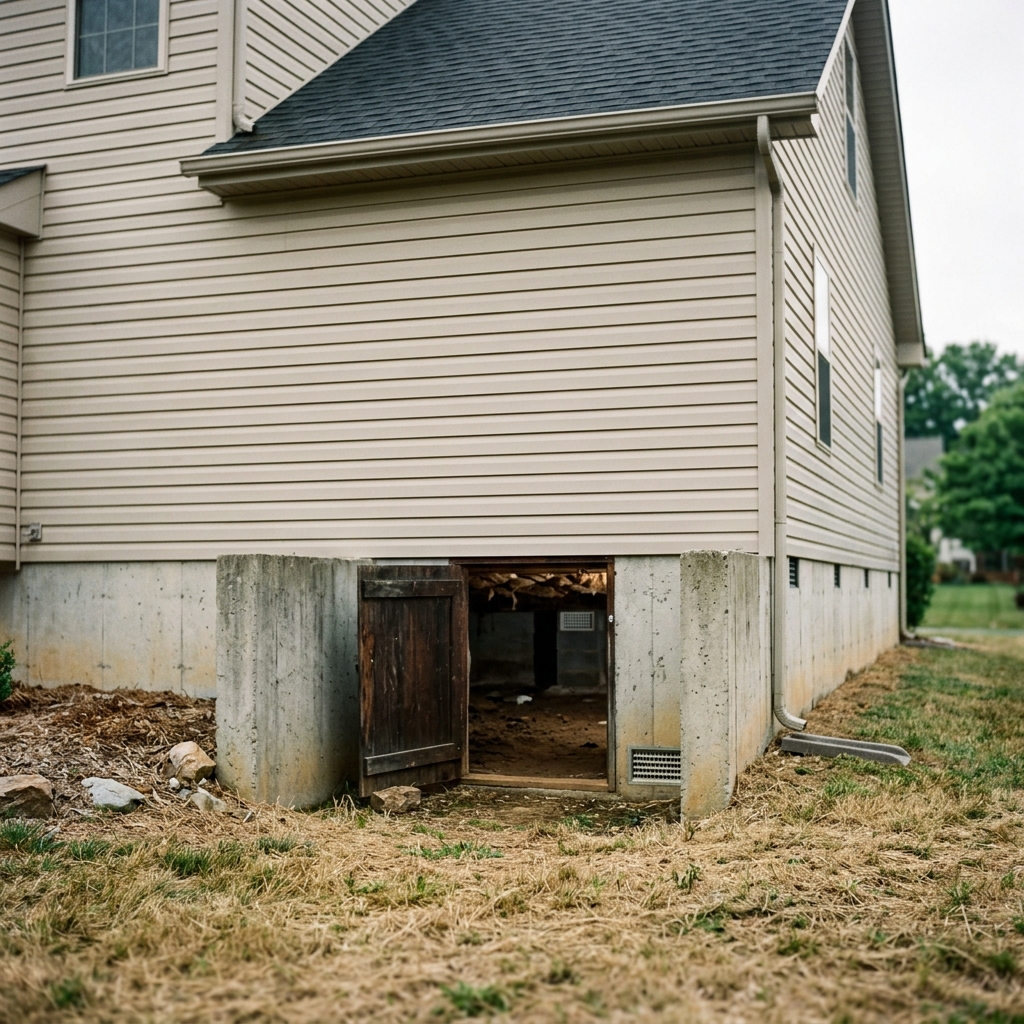
Foundation and crawlspace design determines how effectively a building manages moisture, airflow and structural load distribution. The foundation forms the primary load-bearing base that transfers the building’s weight into the ground. The crawlspace, on the other hand, is an enclosed or semi-enclosed area beneath the floor that helps buffer ground moisture and temperature variations.
Together, they function as an integrated below-floor structure that supports the building’s stability and environmental performance. A well-planned structure typically includes raised footings, moisture-resistant materials and controlled entry points that limit access for insects and rodents.
A Forbes Home survey found that 46% of homeowners reported pest infestations as the cause of structural damage in their properties. Pest problems rarely stem from a single factor. They often develop through a combination of environmental conditions and building vulnerabilities. For example, poorly planned foundations and crawlspaces can create small structural gaps, unsealed penetrations and hidden entry points that allow insects and rodents to enter the home.
In addition, inadequate moisture control in these areas can increase humidity, creating conditions where mold, mildew and organic decay develop. These damp environments weaken building materials over time and attract pests seeking water, shelter and food.
By addressing these risks at the design stage, homeowners can prevent long-term damage and improve overall building resilience. The following key design elements support stronger foundations and more resilient below-ground conditions.
Durable Vapor Barriers
Moisture control is one of the most important considerations in crawlspace design, particularly where soil naturally releases water vapor into enclosed areas. To manage this risk at the source, vapor barriers are a key element for blocking ground moisture from migrating into crawlspaces. Made from reinforced polyethylene sheets, they cover exposed earth and extend up foundation walls to create a continuous seal.
Vapor barriers reduce condensation on floor joists and prevent timber rot in structural components beneath the home. They also limit humidity, which attracts pests such as termites and cockroaches. In higher-spec installations, builders heat-tape the seams and secure the membrane with gravel or concrete to prevent displacement.
As excess moisture is not always immediately visible, a moisture meter can help homeowners evaluate crawlspace conditions more accurately. Readings above 20% typically indicate excessive moisture linked to underlying structural issues, such as failing drainage systems or inadequate sealing. In these cases, homeowners should consult a professional to diagnose the issue and recommend appropriate solutions.
Adequate Drainage Systems
Drainage systems serve as the first line of defense against water accumulation around foundations, particularly in areas with elevated flood risk or poor natural drainage. When water is unable to disperse efficiently due to local site conditions, it can build up around the foundation and increase long-term structural stress.
Effective setups typically include perimeter drains filled with gravel and perforated piping that redirect groundwater away from the structure. Gutters and downpipes should also discharge away from the foundation, ideally into a dedicated stormwater system or soakaway pit. Without this separation, water can repeatedly saturate the soil surrounding the crawlspace, increasing hydrostatic pressure against foundation walls.
Proper Grading
Grading refers to the slope of the soil surrounding a building, where small deviations can significantly affect moisture behavior. A good approach might involve adding compacted soil against the foundation wall and shaping garden beds so water naturally drains outward. Poor grading often shows up as pooling water after rainfall or damp patches along interior skirting boards, both of which signal increased structural exposure.
Effective Ventilation
Proper ventilation helps regulate humidity levels within crawlspaces and reduce the risk of condensation beneath the home. Effective ventilation protects both the crawlspace and the foundation by limiting moisture accumulation that can contribute to mold growth, wood rot, pest activity and material deterioration over time.
Traditionally, builders ventilate crawlspaces through foundation vents installed along exterior walls, allowing air to circulate and remove excess moisture. However, many modern homes use sealed or conditioned crawlspaces that rely on mechanical systems rather than outdoor airflow to maintain stable conditions.
Preventive Maintenance and Early Issue Detection
Regular maintenance helps protect the long-term structural integrity of foundational and supporting structures. Here are several practical steps to detect early signs of damage.
- Schedule seasonal inspections after heavy rain or extreme weather.
- Check for standing water or persistent damp patches after storms.
- Pay attention to irregular operation during wet periods.
- Look for musty odors, which can indicate hidden moisture buildup.
- Monitor wood framing for early signs of staining or softening.
- Ensure vents, access doors and crawlspace entries remain properly sealed when not in use.
- Address small leaks in plumbing or HVAC lines before they spread into surrounding materials.
Protect Your Home From Beneath the Surface
The condition of a foundation and crawlspace significantly influences a home’s overall durability, affecting everything from indoor air quality to structural stability. When moisture control, drainage, grading and ventilation work together effectively, they create a controlled environment that resists both decay and pest activity.
Read More
 Are Smart Homes Actually Better for the Environment? The Benefits, Tradeoffs, and Hidden Costs of Connected Living
 Understanding Your Septic System: Complete Guide for Rural and Suburban Homes
 Why Annual AC Maintenance Matters: The Real Cost of Skipping Tuneups
 Your First Steps in an Older Home (What to Inspect and Maintain)
 Welcome the Warm Weather With Pool Opening Services