Last updated on
Older homes carry a character that newer construction cannot replicate. From original hardwood floors to craftsman details, these properties offer charm and history. However, they also demand a different level of attention when it comes to upkeep.
New owners who inspect and maintain their homes methodically will enjoy their investment for decades to come. Understanding which systems need evaluation in the first few months and knowing when to call professionals makes all the difference in protecting their property.
What's Inside
The Real Cost of Owning an Older Home
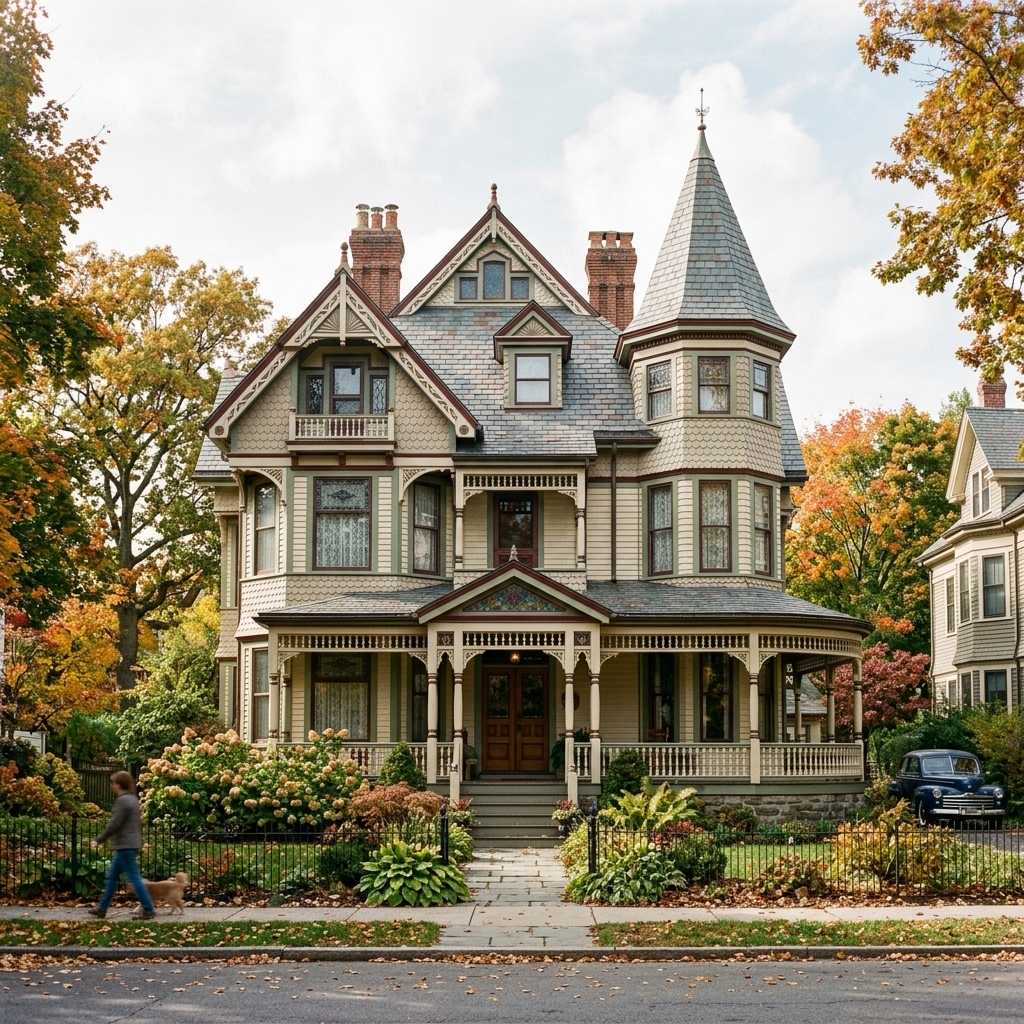
The first step for any new owner is to determine the potential financial commitment. Despite their unique appeal, older houses usually require more investment than newer construction.
Proactive maintenance helps prevent expensive future repairs, but the costs vary widely depending on the home’s age, condition and location. Homeowners should expect annual outlays to range from $4,000 to $22,000, according to industry data. Not surprisingly, old homes tend to fall on the higher end of that spectrum due to aging systems and materials that need more frequent upgrades.
Starting With a Foundational and Structural Check
Everything in the house depends on a solid foundation. During the first few months of ownership, new owners should conduct a thorough visual inspection of foundational and structural elements. This assessment identifies potential issues before they become serious problems.
You should look for large cracks in the foundation walls or floor during the inspection. Uneven surfaces, doors that stick or windows that won’t open often signal settling issues. Likewise, water damage in the basement or crawl space needs immediate attention, as moisture compromises structural integrity over time.
How to Inspect the Roof and Exterior
The roof and exterior act as the home’s first line of defense against the elements. Regular assessments of these components protect the interior from water seepage and deterioration, allowing owners to plan for future replacements.
Looking for Common Signs of Wear and Tear
A visual roof inspection from the ground or a ladder reveals valuable information about the roof’s condition. Missing or cracked shingles allow water infiltration, while damaged flashing around chimneys and vents creates vulnerable spots where leaks often develop. Clogged gutters may also cause water to back up under shingles and damage the roof deck.
Experts recommend that homeowners schedule a professional roof inspection once a year to catch problems early, especially after a storm. They can also conduct routine visual inspections themselves from the ground or by climbing a ladder, if they’re comfortable and able.
Understanding the Lifespan of Materials
When owners know the age and typical lifespan of roofing materials, they can prioritize replacement more effectively in their long-term budget. Different types have different expected lifespans, which affects when owners should plan for this major expense.
For example, asphalt shingles generally last 15 to 30 years, depending on quality and climate conditions. Knowing when contractors last replaced the roof helps you estimate the roof’s remaining lifespan.
Evaluating the Electrical System for Safety Risks
Electrical issues rank among the primary safety concerns in older homes. Outdated wiring and overloaded circuits create serious hazards that require immediate attention when warning signs appear.
Common red flags include flickering lights, warm outlets or switches, and an outdated fuse box instead of a modern circuit breaker panel. Faulty electrical systems cause about 51,000 home fires annually, making professional evaluation essential when these issues emerge.
Assessing the Plumbing System for Leaks and Hazards
A comprehensive plumbing inspection accomplishes several things at once. New homeowners need to identify active leaks, check water pressure and screen for hazardous materials. Addressing these concerns early protects both the house’s structure and the health of its occupants.
Identifying Potential Lead Pipes
Among the hazardous materials to check for, lead poses the most serious health threat. Homes constructed before 1986 commonly contain lead pipes or lead solder in plumbing connections, and exposure to it in drinking water can result in severe problems in children and adults. Owners of older homes should consider professional testing to determine whether lead is present in their water supply.
Checking for Leaks and Water Pressure
Visible leaks under sinks and around toilets are relatively easy to spot during a walk through. However, many plumbing problems hide behind walls or underground, causing damage before becoming obvious.
Professional plumbers visually inspect the plumbing conditions using specialized cameras. They snake the cameras through pipes to identify corrosion, blockages or failing sections that need replacement.
Copper pipes last up to 70 years with proper maintenance. This longevity means many copper systems installed decades ago still function well today, though homeowners should still check older installations for corrosion or wear.
Maintaining the HVAC System for Efficiency
Heating, ventilation and air conditioning maintenance has a real impact on monthly budgets. Systems that get regular care can run more smoothly and break down less often. The environmental side matters, too — residential heating and cooling systems account for 20% of household energy-related emissions nationwide.
Seasonal tuneups keep everything operational when it’s most necessary. You should schedule servicing well before it’s necessary, like having their cooling systems examined in the spring and heating maintenance before winter arrives.
Knowing When to DIY vs. Hire a Professional
New homeowners often face decisions about which projects to tackle themselves and which to delegate. Safety concerns, project complexity and the potential for causing additional damage should all factor into these choices.
For instance, electrical work requires a certified professional with ample expertise, especially given the risks and potential for code violations that make it dangerous for untrained individuals. The same goes for structural repairs, major plumbing work and roof replacement.
A Long-Term Plan for Older Houses
Proactive and informed maintenance is the key to enjoying an older home for years to come. New owners who understand their house’s systems and create a personalized maintenance calendar tackle challenges systematically. Likewise, setting aside funds each month for routine upkeep and eventual repairs makes ownership more manageable and less stressful.
Read More
 Foundation and Crawlspace Design: Preventing Moisture Damage and Pest Entry
 Welcome the Warm Weather With Pool Opening Services
 Noise Reduction in Commercial Spaces: How Modern Transformers Improve Workplace Environment
 Understanding Which Wallpapers Are Best Wallpaper for Textured Walls
 The True Cost of Kitchen Renovations: How Hidden Plumbing Repairs Impact Your Budget