Last updated on
Since modern homes rely on power for safety and comfort, there’s never a convenient time for power outages. When the lights go out, the house you know so well can feel different and maybe a little scary.
Many of the things you depend on, such as basic appliances and heating, stop working. If you use smart home systems, you may lose access to simple functions you usually control with a tap or voice command.
The trick to mitigating the risks associated with blackouts is effective home design. Houses designed with power failure in mind can remain comfortable and safe, regardless of the circumstances.
What's Inside
Why You May Struggle During Blackouts
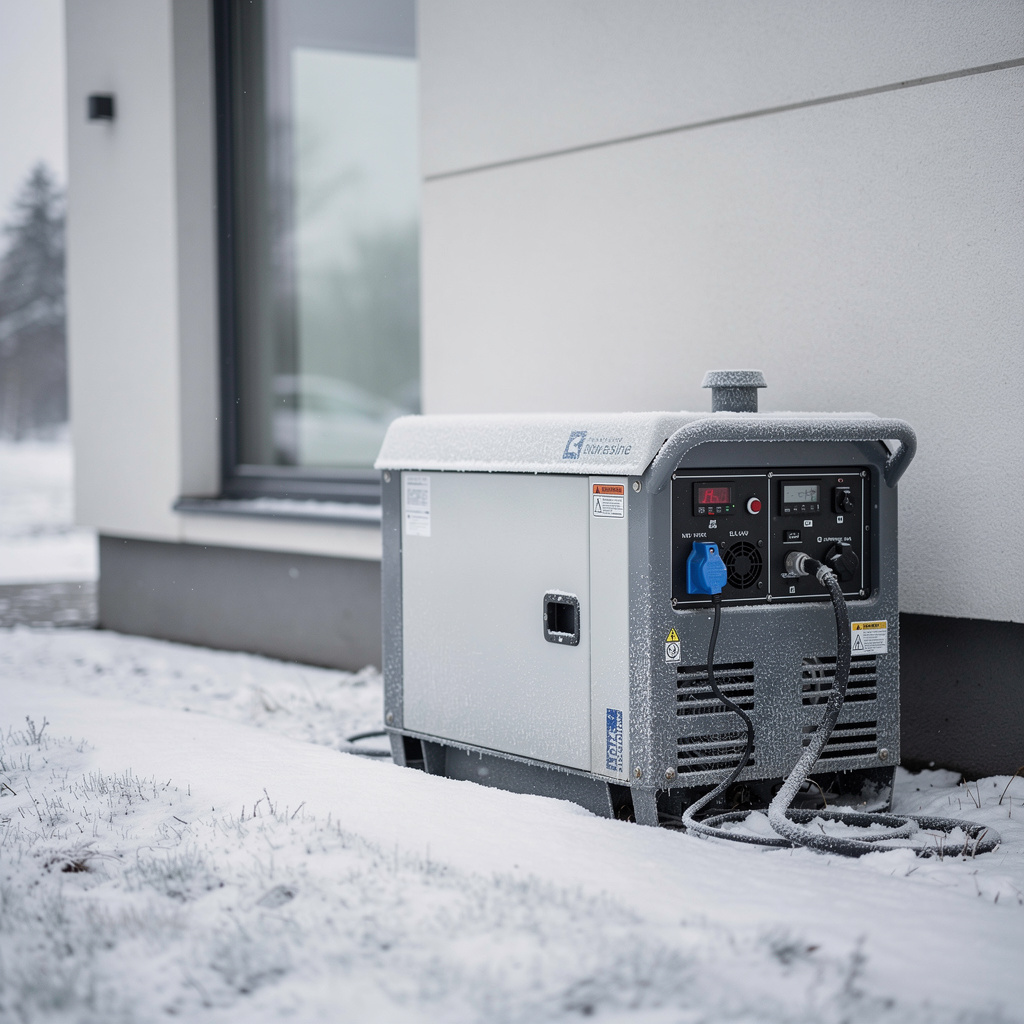
The U.S. experiences frequent power outages. Severe weather is the most significant single cause, with major events like Hurricanes Beryl, Helene and Milton causing about 80% of the total hours without electricity in 2024. As interruptions become more common year after year, designing your home for the possibility of a blackout is no longer optional.
Because today’s homes are built around continuous access to electricity, losing power makes daily life difficult very quickly. Almost everything relies on electricity, including cooling and heating systems, lighting, cooking appliances, garage doors, water pumps, security systems, internet access and medical equipment, among others.
In addition to stopping daily tasks, power outages can be disastrous. Appliances may restart unexpectedly and cause fire hazards, frozen pipes can burst and food spoils quickly if refrigeration stops. To make matters worse, many homes aren’t designed with power outages in mind. Open-plan layouts without natural ventilation can trap heat, sealed windows may reduce airflow and internal rooms without daylight increase the risk of slip-and-fall accidents.
Without built-in design features that support light, air and safe movement, a blackout can quickly make a home uncomfortable and, in some situations, unsafe for older adults, children and pets.
Choosing and Planning Space for Emergency Power
The first thing you want to add is a generator for an emergency power supply. It protects your home, keeps essentials running and offers peace of mind during extended outages.
Choosing the correct type of generator is essential. Before buying, consider fuel type and run time. Diesel models are often more durable and cost-efficient for long-term use. However, gasoline units may be more suitable for residential use due to their easier refueling and lower noise levels.
You can also find portable power stations with rechargeable lithium-ion battery banks on the market. These may only work well for smaller appliances, such as phones and medical devices. However, they can be a secondary backup because in some emergencies, gas companies shut off supply to entire neighborhoods, preventing natural gas generators from running at all.
Aside from selecting the right generator, planning a suitable space for it is also important. Generators generally need to sit outside of your house, well away from windows and doors to avoid carbon monoxide hazards. It’s also essential to store fuel safely in a ventilated, secure outbuilding.
Designing for Light and Air Without Electricity
Although emergency lights can be helpful, natural lighting is still the most reliable way to move safely through your home during a blackout. Therefore, try to place south-facing windows in high-use areas to help extend daylight indoors when building or renovating your home. You can install internal glass partitions if you want to add rooms that may not get enough sunlight.
Keep in mind that windows also affect indoor temperatures, so plan for shading. External shades, eaves or overhangs can filter harsh direct rays while still allowing diffused daylight to enter your home. This keeps spaces brighter for longer without relying on emergency lighting, and helps maintain comfort when cooling systems are unavailable during outages.
Ventilation is another essential design element that will keep you comfortable during a power outage. Position your windows to create a cross-flow, allowing warm air to escape and cooler air to enter. You can also ensure landscaping supports ventilation by shading external surfaces and cooling incoming breezes.
Choosing Materials That Hold Temperature
When the power goes out, heating and cooling systems may shut down, leaving you with uncomfortable indoor temperatures. Indoor heat can rise quickly in the summer, which can be dangerous for you and your pets — mainly cats and dogs that are prone to heatstroke when temperatures climb and airflow is limited. During winter, your home can lose warmth just as fast, increasing the risk of cold-related discomfort and health issues.
Designing with temperature stability in mind can help your home remain safer for longer during power outages. The materials you choose can help maintain stable temperatures in both hot and cold conditions. You can naturally slow down heat transfer by using dense materials like stone, concrete and earth. Their high thermal mass allows them to store warmth and release it slowly, which helps stabilize indoor temperatures.
If heavy materials aren’t practical, insulation with a high R-value can reduce heat movement through walls and support year-round comfort. These materials may include polystyrene, polyurethane foam or phenolic foam.
Designing for Outages Provides Peace of Mind
Power failures will always be inconvenient, but they don’t need to lead to disasters. When you incorporate resilience into the design, you protect the comfort and safety of your family. An efficient design helps ensure your home remains livable through blackouts caused by severe weather, equipment failure, power line damage and anything else life brings.
Read More
 Are Smart Homes Actually Better for the Environment? The Benefits, Tradeoffs, and Hidden Costs of Connected Living
 Understanding Your Septic System: Complete Guide for Rural and Suburban Homes
 Why Annual AC Maintenance Matters: The Real Cost of Skipping Tuneups
 Foundation and Crawlspace Design: Preventing Moisture Damage and Pest Entry
 Your First Steps in an Older Home (What to Inspect and Maintain)