Last updated on
Balancing family life with the comfort of your home can be a challenge when schedules are packed. Work commitments, school drop-offs, sports practices, and evening routines leave little time for constant temperature adjustments. Without a good system in place, it’s easy to waste both time and energy managing heating and cooling needs. The right approach allows your home to stay comfortable while fitting into your daily routine, rather than competing with it.
In Pleasant Hill, seasonal shifts can make it even more important to think ahead about your HVAC needs. Warm summers and cool winters mean your system often works year-round. Choosing solutions that fit both the climate and your lifestyle is crucial. Small adjustments in how your HVAC system is set up and used can help create a more manageable routine while keeping your home comfortable for the whole family.
What's Inside
Customized System Assessment
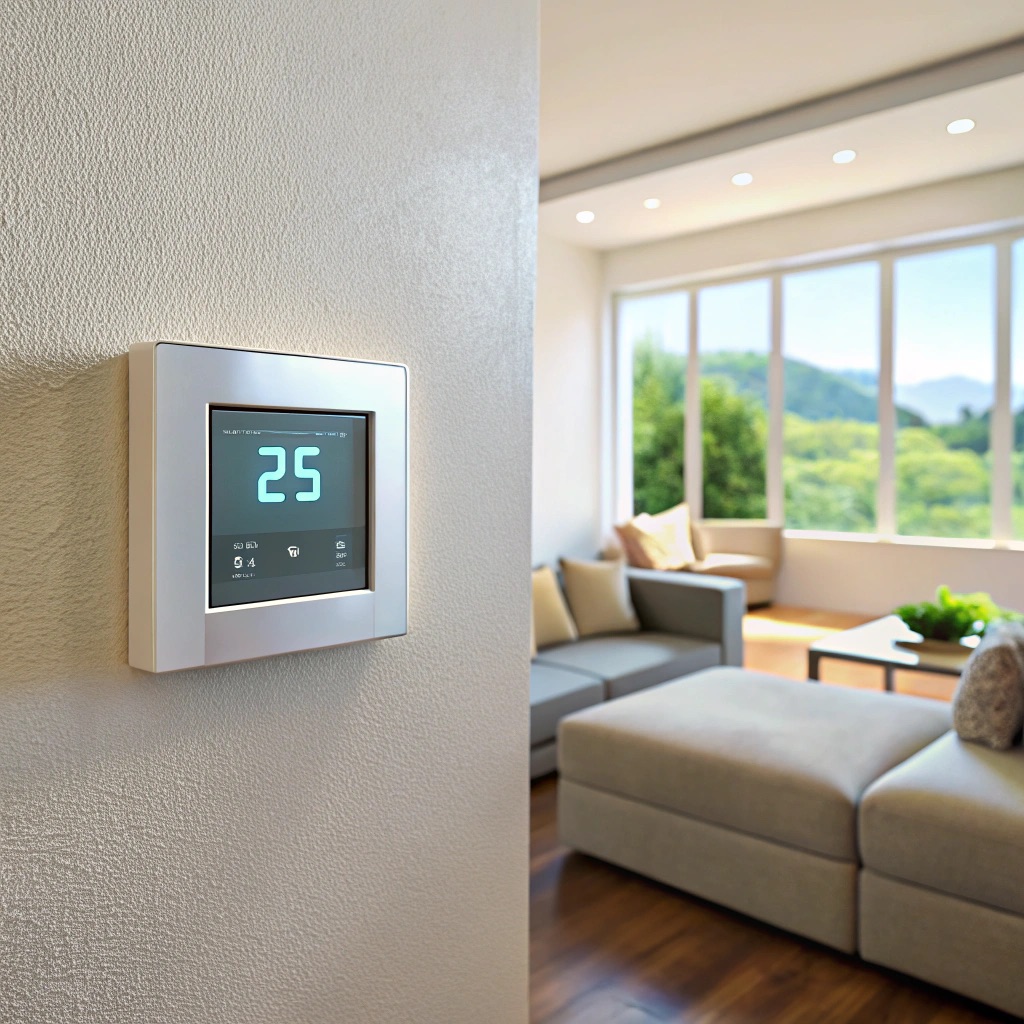
Every household has different needs when it comes to heating and cooling. Factors like home size, layout, insulation, and how often rooms are used all play a part in how efficiently a system runs. Taking the time to review these details can help you figure out where improvements can be made. Sometimes it’s as simple as rearranging furniture so vents are clear, while other times a more tailored setup is needed to get the best results.
Hiring professional HVAC services in Pleasant Hill can help you understand the best approach for your home. They have the experience to spot issues you might overlook and can recommend adjustments that suit the area’s climate. With their input, you can make informed decisions about upgrades or changes that will make your system more effective during busy weeks.
Combine with Other Systems
Linking your HVAC system to other home features can save time and simplify daily routines. For example, connecting it to smart lighting or automated blinds allows you to control multiple settings at once. This kind of setup can mean your home naturally stays cooler when blinds close during hot afternoons, without you needing to think about it.
Using one central control system can also help keep track of different functions without having to adjust each one separately. Instead of remembering to change several settings throughout the day, everything can be programmed to work together.
Quiet Mode for Study Time
Family homes are often full of activity, but there are moments when a quieter environment is needed. Homework, reading, or remote work can be disrupted by a noisy HVAC system running at full capacity. Many systems offer a quiet mode that keeps air flowing without creating loud background noise.
Quiet mode can be scheduled during specific hours so you don’t have to remember to switch it on and off. This mode is especially helpful in households where several people are working or studying at the same time.
Focus on Main Rooms
In a busy household, certain rooms see much more use than others. It makes sense to focus heating and cooling on these high-use areas first. Spaces like the living room, kitchen, or children’s bedrooms might need consistent comfort throughout the day, while rarely used rooms can be set to a different temperature.
Creating separate zones for different areas allows you to control them individually. This way, the system doesn’t have to work as hard to maintain the same temperature across the entire home.
Quick Cycles Before Arrivals
Heating or cooling the home only when it’s needed can make a busy schedule easier to manage. Setting your HVAC to run a short cycle before the family arrives home means the temperature is comfortable right when you walk in. This avoids running the system all day and wasting energy when no one is there to enjoy it.
Programming these quick cycles can be done through smart thermostats or timers. You can set them to start shortly before school or work ends so the living spaces are ready for use.
Share HVAC Tasks
Keeping your HVAC system in good condition is easier when the responsibility is shared. Simple tasks like checking vents, replacing filters, or making sure outdoor units are clear of debris can be done by different family members.
Creating a small checklist for each season can make it clear who is handling what. Children can be given easy jobs like making sure vents aren’t blocked, while adults can handle more detailed tasks. This way, everyone contributes to keeping the home comfortable.
Timers for Added Devices
Air purifiers and humidifiers can make a big difference in comfort, especially in certain climates or seasons. However, leaving them on constantly can waste energy. Using timers allows them to run only when they’re needed most, such as during sleeping hours or while the family is at home.
Timers can also help these devices work in sync with the HVAC system. For example, a humidifier might run when the heat is on in winter, and an air purifier could activate during allergy season.
Monitor Utility Usage
Tracking how much energy your HVAC system uses can reveal habits that increase costs without adding comfort. Reviewing monthly bills or using an energy monitoring device can show patterns, such as the system running too much during certain hours.
Once you spot these patterns, certain changes can be made to improve efficiency. It might include adjusting the thermostat during times when the house is empty or lowering usage in rooms that aren’t being used.
Schedule Around Family Time
Scheduling maintenance during times when the house is quieter prevents interruptions. This could be during school hours, workdays, or times when the family is out for activities. Having the work done at convenient times makes it less disruptive to your routine.
It can also be helpful to plan seasonal maintenance well in advance. This way, you avoid the busiest times for service providers and reduce the chance of long waits.
Pre-Programmed Zones
Zoning your home allows you to set different temperatures for different areas based on how and when they’re used. Pre-programming these zones means you don’t have to keep adjusting settings manually throughout the day.
For example, you can have living spaces at a comfortable temperature during the day while bedrooms remain cooler or warmer depending on the season. In the evening, the settings can shift to focus on sleeping areas instead.
Separate Day/Night Settings
Daytime and nighttime needs are often different for busy families. During the day, active living areas may need more cooling or heating, while nights can be set to a more energy-efficient temperature for sleeping.
Having separate day and night settings means the system changes automatically without you needing to think about it.
Managing home comfort alongside a busy family schedule doesn’t have to be complicated. With the right settings, smart use of technology, and a few practical habits, your HVAC system can work with your lifestyle instead of against it.
Read More
 Are Smart Homes Actually Better for the Environment? The Benefits, Tradeoffs, and Hidden Costs of Connected Living
 Understanding Your Septic System: Complete Guide for Rural and Suburban Homes
 Why Annual AC Maintenance Matters: The Real Cost of Skipping Tuneups
 Foundation and Crawlspace Design: Preventing Moisture Damage and Pest Entry
 Your First Steps in an Older Home (What to Inspect and Maintain)