Last updated on
Timing is crucial for successful power washing. Temperature, humidity and weather patterns can affect the drying process and effectiveness. Done right, power washing can give your house a fresh, clean look.
However, at the wrong time of year, it could damage your property. Here’s what you need to know about choosing the best time of year to power wash your home.
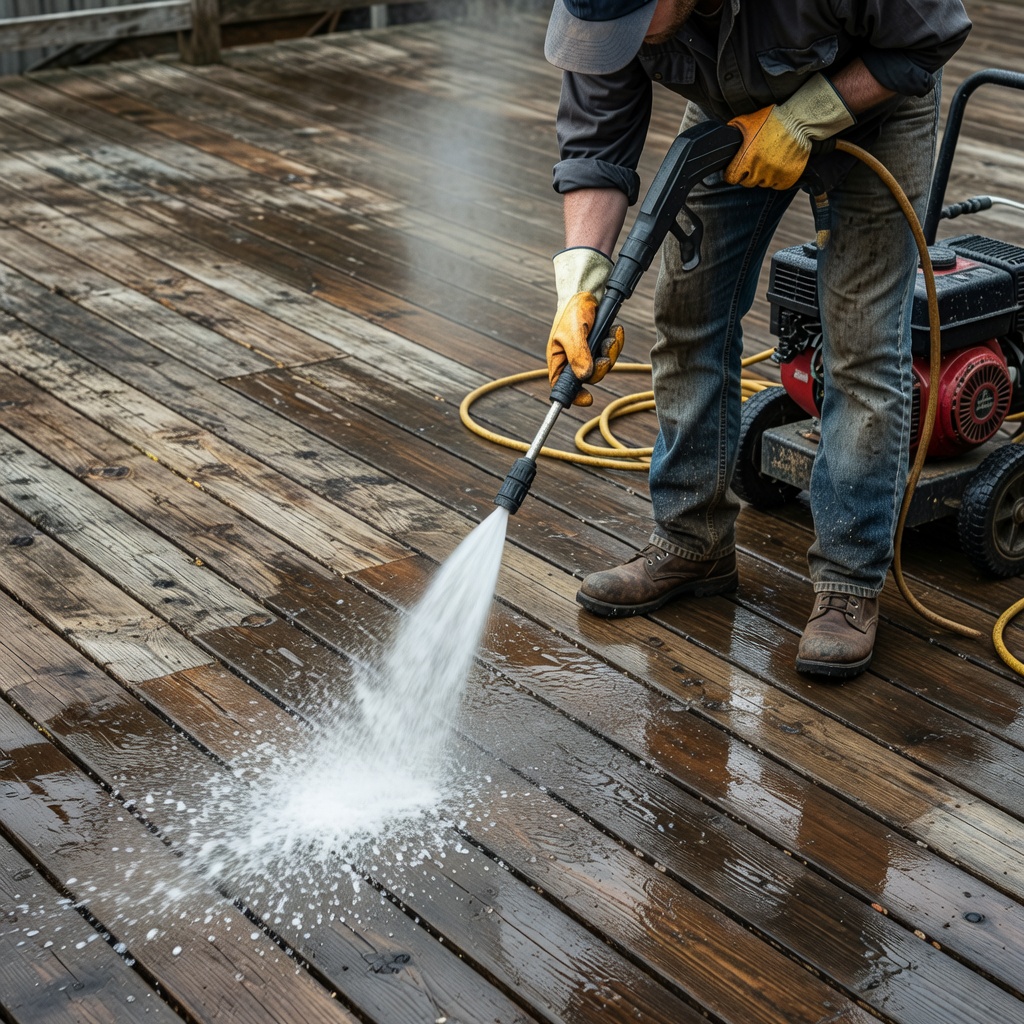
What's Inside
The Prime Time — Late Spring and Early Summer
This period, typically May through June, is widely considered the sweet spot.
Stable, mild temperatures are usually consistently above freezing by this point, but not excessively hot. This allows cleaning solutions to work effectively without evaporating too quickly or freezing. Longer daylight hours also provide ample time to complete the job thoroughly and to allow the house to dry completely.
This is also the ideal time to wash away the thick layer of pollen that accumulates in many areas during spring, particularly in the Northeast and Mid-Atlantic states and the Great Plains region.
The Second Window — Early to Mid-Fall
September and October are other excellent opportunities for power washing. At this time of year, you can wash away the dirt, cobwebs and mildew that may have built up during hot and humid summer months.
Removing corrosive elements like mold can also help prevent water ingress, readying your siding and paint for the harsh effects of snow, ice and road salt. This period also coincides well with a gutter cleaning job before winter sets in.
Power Washing in Other Seasons — What to Know
Other times of year are less ideal. You can power wash in high summer or midwinter if you absolutely must, but it’s not recommended.
The Risks of Winter Washing
During winter, water can freeze on or within the siding of your home. Because water expands when it freezes, this can cause cracks or significant damage. There is also a danger of creating icy patches on walkways and driveways, and your home will take much longer to dry.
If you have very mild winters in your region, you may be able to power wash without issues. However, in the Mid-Atlantic and Northeast, strong nor’easters and significant winter storms can persist even into late winter. It’s better to wait out the cold season before getting a power wash to play it safe.
The Challenges of Summer and Early Spring
Early spring weather is unpredictable in many regions, often with sudden freezes or frequent rain. Summer, meanwhile, often brings high heat, which can cause cleaning solutions to dry too quickly, reducing their effectiveness. Although less risky than winter, most homeowners prefer to wait until late spring or early fall to ensure better results.
Factors That May Influence Your Power Washing Schedule
The weather is a significant factor in when to power wash your home, but it’s not the only one. You may choose to get this job done out of season if:
- You have an upcoming paint job: Power washing is a critical first step to ensure new paint adheres properly. It should be done a few days before painting begins.
- You are selling your home: According to experts, a clean exterior can significantly boost your curb appeal, potentially affecting your sale price.
- You see specific contaminants: If you have aggressive mold or algae growth, you may need to wash as soon as possible, regardless of the season.
How Perfect Power Wash Helps Pennsylvania Homeowners
Perfect Power Wash understands the demands of Pennsylvania’s volatile climate. Their professional technicians receive over 150 hours of training, equipping them with the experience and know-how to care for all kinds of homes. The team has over 25 years in business and uses best-in-class cleaning equipment.
Scheduling is fast and easy, and you do not have to be home during the appointment. The crew will remove mold, mildew, algae, moss and grime from your walls, fences, siding and pathways. Safe soft-washing techniques will also remove lichen and Gloeocapsa magma, a type of hardy, staining algae, from your roof.
Key Features
Standing out among Pennsylvania power wash companies, Perfect Power Wash offers:
- Responsive experts at the end of the phone when you book
- Satellite technology to provide precision quotes, with no in-person visit needed
- Text message to let you know your technician is on the way
- Follow-up inspection if you are at home, or a phone discussion to ensure you are happy with the results
- Safe and effective techniques using the latest equipment
- Annual membership program to help you save money
- 100% satisfaction guarantee
Understanding the best time of year to power wash your home is only half the battle. Finding the right professional contractor to work with also matters. Perfect Power Wash has worked with over 300,000 satisfied customers, so you know you’re in good hands.
Frequently Asked Questions About Power Washing
Beyond what season is best, you may have other questions about the power washing process. Here are some of the most common questions.
How often should I have my house power-washed?
It’s generally recommended to power wash your home once a year. However, if you are near the coast or have many trees, you might want to do this biannually.
How long does power washing take?
It depends on the size of your home and the amount of cleaning needed, but in general, a 2,000-square-foot home may take up to three hours to power wash.
What are the visible signs that my home needs a power wash?
The most common signs include visible mold, mildew or algae on your siding or roof. Other indicators are a dull, faded exterior, lots of spiderwebs, and dirt or stains on your driveway, deck or patio.
The Perfect Finish — Timing and Technique
While late spring and early fall present the ideal window, the best time of year to power wash your home is a balance of the seasons and your home’s specific needs. The guiding principle is to avoid extreme temperatures, both hot and cold, to ensure a safe, effective clean. When you decide to schedule the job, reach out to a trusted professional to handle it. The right timing combined with the right expertise is the secret to a flawless result that maintains your house’s value.
Read More
 Are Smart Homes Actually Better for the Environment? The Benefits, Tradeoffs, and Hidden Costs of Connected Living
 Understanding Your Septic System: Complete Guide for Rural and Suburban Homes
 Why Annual AC Maintenance Matters: The Real Cost of Skipping Tuneups
 Foundation and Crawlspace Design: Preventing Moisture Damage and Pest Entry
 Your First Steps in an Older Home (What to Inspect and Maintain)