Last updated on
For most households, the air conditioner is more than just a convenience—it’s essential during the peak of summer. But what happens when your AC starts acting differently? Small changes in sound, smell, or performance can be early signs of bigger problems.
Many homeowners ignore these warnings, hoping the issue will go away on its own. Unfortunately, AC problems rarely fix themselves. Waiting too long can turn a simple repair into a costly replacement.
This article will walk you through the most common warning signs your air conditioner might give you and explain what they could mean.
What's Inside
Unusual Noises You Shouldn’t Brush Off
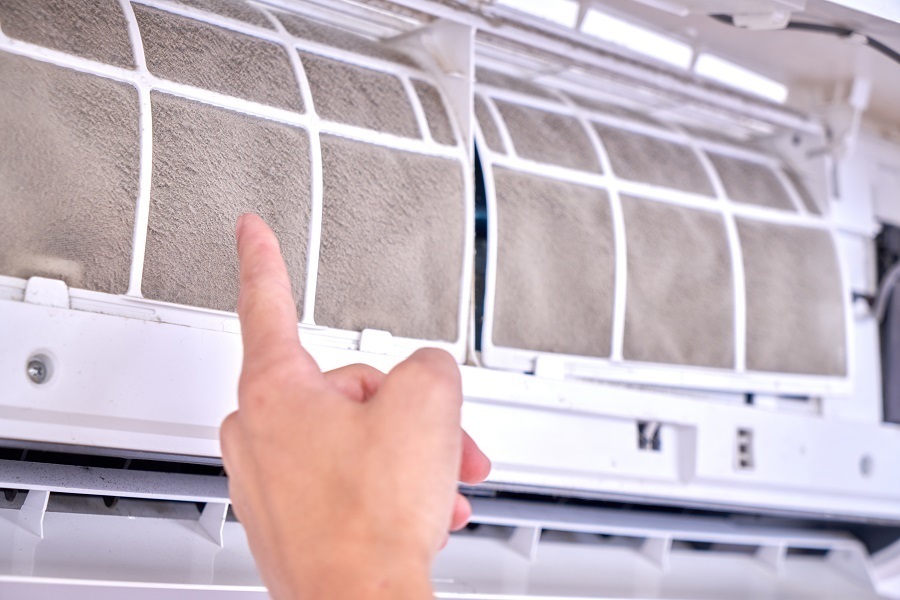
A well-functioning air conditioner should run with a steady, low hum. If you hear grinding, rattling, squealing, or banging, it’s time to pay attention. Grinding or metal-on-metal sounds can point to worn-out bearings in the fan motor. Squealing often means a belt is loose or fraying. Banging could indicate a part has come loose inside the unit.
Ignoring these noises can cause more internal damage. For example, a worn belt could snap, causing the system to stop working entirely. A loose component could break other parts if it moves around during operation. Calling a technician early can help prevent a small repair from turning into a full system breakdown.
Warm Air Instead of the Cool Relief You Expect
If your AC is blowing warm or slightly cool air instead of cold, there’s a problem. One common cause is low refrigerant levels, often due to a leak. Another possible reason is a blocked condenser coil, which prevents the system from releasing heat. Issues with the compressor can also reduce cooling capacity. This is one of the most common air conditioner issues to watch out for as it can quickly lead to system failure if left untreated.
Before you panic, check the thermostat settings to ensure they haven’t been changed. If everything is set correctly and the problem continues, the system needs professional inspection. Running the AC while it’s struggling to cool can put stress on the compressor, which is one of the most expensive components to replace.
Weak or Inconsistent Airflow Throughout the Home
When air from the vents feels weaker than normal, or some rooms are cooler than others, airflow problems could be the cause. Clogged air filters are a common culprit, and replacing them often solves the problem. However, weak airflow can also be linked to issues with the blower motor or blocked ducts.
If only certain rooms have reduced airflow, you may have leaks in the ductwork. These leaks not only affect comfort but also waste energy, as cooled air escapes before reaching its destination. Having your duct system checked and sealed can improve both performance and efficiency.
Strange or Musty Odors When the AC Runs
An air conditioner should never produce unpleasant smells. A musty odor often points to mold growth in the ducts or on the evaporator coil. This can happen when moisture builds up and isn’t drained properly. A burning smell may signal electrical issues, such as overheating wires or a failing motor.
Odor problems should be addressed quickly, especially if mold is involved. Mold spores can circulate through the home, affecting indoor air quality and potentially triggering allergies or asthma symptoms. In the case of burning smells, turn off the system immediately and have it inspected to avoid fire hazards.
Short Cycling That Interrupts Cooling
Short cycling occurs when your AC turns on and off in short bursts instead of completing a full cooling cycle. This problem increases wear and tear on the system, raising the risk of breakdowns. It can also cause uneven temperatures in the home.
Common causes include an oversized AC unit, thermostat malfunctions, or low refrigerant levels. Dirty condenser coils can also trigger short cycling by making it harder for the system to remove heat. If your unit is short cycling, it’s important to get it checked. The longer it continues, the greater the strain on critical components like the compressor.
Higher Energy Bills Without Any Increase in Use
A rise in energy use often means the system is running inefficiently. This can be due to clogged filters, refrigerant leaks, dirty coils, or worn mechanical parts.
According to the U.S. Department of Energy, replacing a dirty filter with a clean one can lower an air conditioner’s energy consumption by up to 15%. That’s why checking filters monthly during peak summer is an easy way to keep costs down. If your bills still rise after basic maintenance, a professional inspection can find hidden problems affecting efficiency.
Water Leaks or Excess Moisture Around the Unit
Air conditioners naturally produce condensation as they remove humidity from the air. This water should drain away through a condensate line. If you notice water pooling around the indoor unit, something’s wrong. A clogged drain line is the most common cause, and it can lead to water damage or mold growth if not cleared.
Leaks can also happen if the evaporator coil freezes and then melts. Low refrigerant levels, restricted airflow, or mechanical issues can cause freezing. If you see moisture or puddles near your AC, shut it off and have it checked to avoid both property damage and system failure.
Ice Forming on the Coils
While it might seem harmless, ice on your AC’s evaporator coils is a sign of trouble. It usually happens when airflow is restricted, such as from a clogged filter, blocked return vents, or dirty coils. Low refrigerant levels can also cause coil temperatures to drop below freezing, leading to ice buildup.
The danger with frozen coils is that they prevent the system from absorbing heat, so your home won’t cool properly. Continuing to run the AC in this state can damage the compressor. If you spot ice, turn the system off and let it thaw before calling a technician to find and fix the cause.
Paying attention to small changes in how your air conditioner runs can help you avoid costly repairs and unexpected breakdowns. Strange sounds, weak airflow, bad smells, or uneven cooling are all early warnings that something isn’t right. Higher energy bills, leaks, or short cycling also signal that your system is struggling.
Scheduling regular maintenance, replacing filters on time, and calling a technician at the first sign of trouble will keep your system running efficiently. By staying alert, you’ll enjoy a cooler home, lower bills, and fewer emergency repair calls.
Read More
 Are Smart Homes Actually Better for the Environment? The Benefits, Tradeoffs, and Hidden Costs of Connected Living
 Understanding Your Septic System: Complete Guide for Rural and Suburban Homes
 Why Annual AC Maintenance Matters: The Real Cost of Skipping Tuneups
 Foundation and Crawlspace Design: Preventing Moisture Damage and Pest Entry
 Your First Steps in an Older Home (What to Inspect and Maintain)