Last updated on
When the summer heat hits, your air conditioner becomes one of the most important appliances in your home. It keeps you comfortable, helps you sleep better at night, and protects your indoor air quality. But running your cooling system constantly can lead to high utility bills and wear it down faster than necessary. That’s why finding ways to cool your home efficiently is so important. It saves money, reduces strain on your system, and makes your space more comfortable overall.
Efficient cooling isn’t just about upgrading to the latest AC unit. It’s about taking small, consistent steps that keep your system in great shape while reducing energy waste. From regular upkeep to strategic home improvements, there are practical ways to help your air conditioner run smoothly and effectively. And the best part is, many of these changes can be done with minimal effort once you know where to start.
What's Inside
Keep Your System Running Smoothly with Routine Care
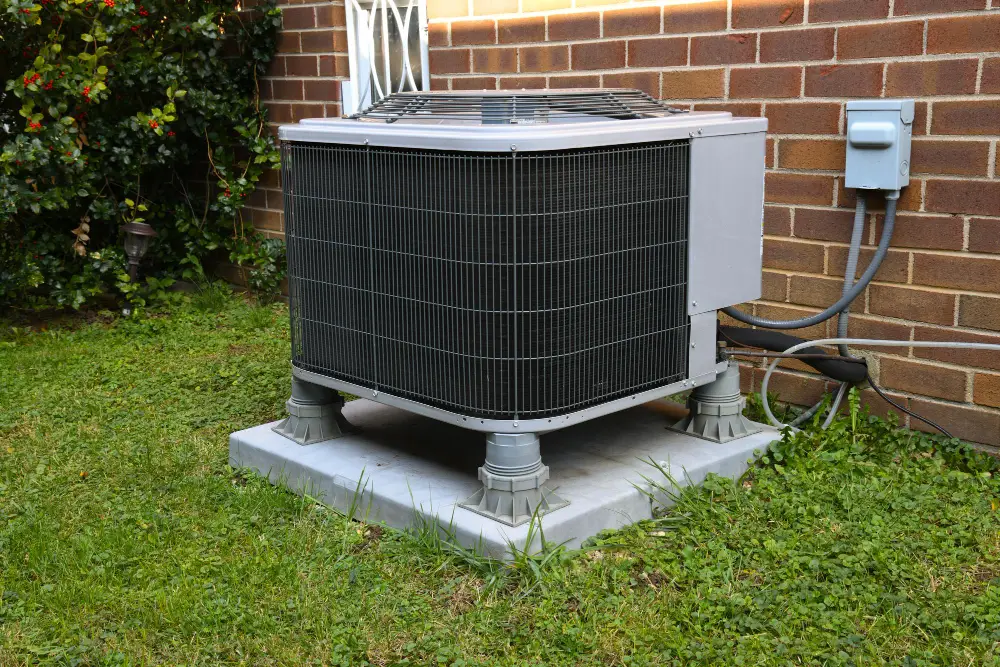
One of the easiest and most effective ways to improve efficiency is to keep your cooling system clean and well-maintained. Over time, dust, dirt, and debris can build up in your air conditioner, making it work harder to produce the same results. It not only increases your energy use but can also shorten the lifespan of your system. By scheduling regular checkups, you can prevent repairs with regular air conditioner maintenance, ensuring it stays reliable during the hottest months of the year.
Routine care should include replacing filters every one to three months, cleaning the coils, checking refrigerant levels, and making sure your thermostat is working properly. Many of these tasks can be handled by a professional, who can also spot potential issues before they turn into expensive breakdowns. This proactive approach keeps your home comfortable while giving you peace of mind that your AC will perform when you need it most.
Optimize Thermostat Settings for Comfort and Savings
Your thermostat plays a big role in how efficiently your AC runs. Setting it too low may feel nice for a short burst of relief, but it forces the system to work harder, leading to higher bills. Aim for a comfortable yet efficient setting, typically around 76 to 78 degrees when you’re at home, and a few degrees higher when you’re away.
If you want even better control, consider upgrading to a programmable or smart thermostat. These devices allow you to set schedules so your AC automatically adjusts based on your habits, which can significantly cut down on unnecessary cooling. You’ll stay comfortable without having to constantly change the settings.
Improve Airflow Around Your Home
Good airflow helps your air conditioner work more efficiently by allowing cool air to circulate evenly. Start by making sure furniture, rugs, or other items don’t block your vents and registers. Blocked vents can trap cool air in one area while leaving other rooms warmer, causing your system to run longer than needed.
Ceiling fans can also help with circulation, pushing cool air downward in the summer. While fans don’t lower the temperature, they make the room feel cooler by moving air around, allowing you to set the thermostat a little higher without sacrificing comfort.
Seal and Insulate for Better Efficiency
Even the most powerful AC system can’t work efficiently if your home isn’t sealed properly. Gaps and cracks around windows, doors, and ductwork allow cool air to escape and warm air to enter, forcing your system to work harder.
Sealing these leaks with weatherstripping or caulk is a simple and affordable fix. You can also check your attic insulation; inadequate insulation allows heat to transfer into your home, increasing your cooling load. Improving these areas creates a tighter, more energy-efficient home that keeps conditioned air where it belongs.
Use Heat-Reducing Strategies Inside the Home
Reducing indoor heat sources can make a big difference in how often your AC runs. Close blinds, curtains, or shades during the warmest parts of the day to help block out sunlight. If possible, use energy-efficient window coverings or films to further reduce heat gain.
Try adjusting your daily routine to avoid running heat-generating appliances, such as ovens and dryers, during the hottest hours of the day. Instead, cook meals in the morning or use smaller appliances like air fryers and slow cookers. These small changes help keep your home cooler naturally, so your AC doesn’t have to work as hard.
Consider System Upgrades When Needed
If your air conditioner is over 10–15 years old, it may not be as efficient as newer models, even with regular maintenance. Advances in technology have made modern AC units much more energy-efficient, with features that improve cooling while using less power.
Before upgrading, look at signs your system may be nearing the end of its lifespan, such as frequent breakdowns, rising utility bills, or inconsistent cooling. While replacing an AC is a bigger investment, the savings on energy costs and reduced need for repairs can make it worthwhile in the long run.
Maintain Outdoor Units for Maximum Performance
Your outdoor condenser unit is just as important as the indoor components of your AC. If it’s blocked by leaves, dirt, or overgrown plants, it can’t release heat efficiently, which reduces cooling performance.
Make it a habit to keep at least two feet of clearance around the unit, trimming back shrubs and removing debris regularly. Gently rinsing the unit with a hose can help clear away dirt, but avoid using high pressure, which can damage the fins. Keeping the outdoor area clean ensures your system can operate at its best.
Schedule Seasonal Professional Checkups
While there’s a lot you can do on your own to maintain your AC, professional tune-ups are essential for long-term efficiency. A trained technician can check refrigerant levels, inspect electrical components, test system controls, and ensure safety mechanisms are working properly.
Scheduling a checkup in the spring, before peak summer heat, ensures your system is ready for heavy use. Regular professional maintenance also helps you catch small issues early, which can save you from major repairs later on.
Efficient cooling comes down to a mix of smart habits, routine maintenance, and a few strategic upgrades. By caring for your AC, sealing your home, managing heat sources, and using your thermostat wisely, you can keep your home comfortable all summer without overspending on energy bills.
The key is consistency. Small actions done regularly make the biggest impact over time. With the right approach, you’ll enjoy a cooler home, lower costs, and the confidence that your air conditioner will keep working when you need it most.
Read More
 Are Smart Homes Actually Better for the Environment? The Benefits, Tradeoffs, and Hidden Costs of Connected Living
 Understanding Your Septic System: Complete Guide for Rural and Suburban Homes
 Why Annual AC Maintenance Matters: The Real Cost of Skipping Tuneups
 Foundation and Crawlspace Design: Preventing Moisture Damage and Pest Entry
 Your First Steps in an Older Home (What to Inspect and Maintain)